


We live in a world where customers expect things to be done yesterday. Thanks to Amazon Prime, fast shipping isn’t a bonus anymore—it’s the bare minimum. Suppose your business can’t meet that expectation. In that case, you risk losing sales, hurting your reputation, and pushing loyal customers into the arms of best competitors.
But here’s the good news: you don’t need to be a logistics giant to offer better shipping. With the right strategies in place, even small to mid-sized businesses can compete on speed and deliver the kind of experience that keeps customers coming back.
Why Shipping Speed Matters More Than You Think
It’s simple: when customers order something, they want it immediately. Not in a week. Not in ten days. They want it fast—ideally, It builds trust. It shows that your business is reliable, efficient, and customer-focused. And that’s precisely the kind of experience that turns one-time buyers into repeat customers.
On the other hand, slow shipping creates friction. It can lead to complaints, negative reviews, and cancellations. A delayed delivery can leave a bad impression, even if the product is excellent.
The Connection Between Shipping and Customer Loyalty
Here’s a little secret most successful eCommerce brands know: isn’t just logistics—it’s part of your customer experience strategy.
Imagine ordering something you’re excited about. Now imagine it arrives earlier than expected, in great shape, and with clear tracking updates. That’s the kind of delivery that makes people smile. When people feel good about your brand, they’re more likely to repurchase and tell their friends about it.
What Slows Shipping Down—And How to Fix It
before shipping, you must know what’s slowing you down.
One common issue is centralized inventory. Suppose you’re drive everything from a single location. In that case, you’re likely adding extra days to the shipping time for customers who live far away.
The fix? Distributed warehousing. By storing inventory in multiple fulfillment centers closer to your customer base, you can reduce shipping distance and time.
Another delay comes from manual fulfillment. Suppose you’re still printing labels and packing boxes individually; that takes hours. Investing in automation and streamlined systems can help you process orders more efficiently, with fewer errors.
Finally, shipping carrier delays or poor service can sabotage even the best fulfillment process. Ensure you’re working with reliable carriers and always have backup options available.
Set Clear Expectations and Communicate Often
Faster shipping doesn’t always mean same-day delivery. What matters most is managing expectations. If customers know when to expect their order—and they get it on time—you’re delivering a good experience.
Be clear at checkout by offering estimated delivery windows and sending tracking updates. And if there’s a delay, communicate early and honestly.
It’s amazing how forgiving customers can be when they feel like they’re in the loop.
Offer Shipping Options That Match Customer Needs
Not everyone wants two-day shipping if it comes at a high cost. But many are willing to pay extra for faster service if they’re in a rush. Providing people with options empowers them to choose what works best for them.
Whether it’s free or paid express delivery, you must clearly and reliably present the options. If you say it’ll arrive in three days, it should arrive in three days—no surprises.
Over time, your customers will realize they can rely on you, and that’s what builds trust.
How to Use Technology to Your Advantage
You don’t need to build your shipping network. Some tools and platforms can help you improve fulfillment. They can automate the creation of shipping labels and track orders in real-time. These tools can also route shipments to the cheapest carrier based on speed and cost.
The technology eliminates the guesswork from logistics, allowing you to scale faster. With systems doing the hard work, your team can focus on giving a better customer experience. They won’t have to struggle with spreadsheets and shipping delays.
The Role of 3PLs in Faster Shipping
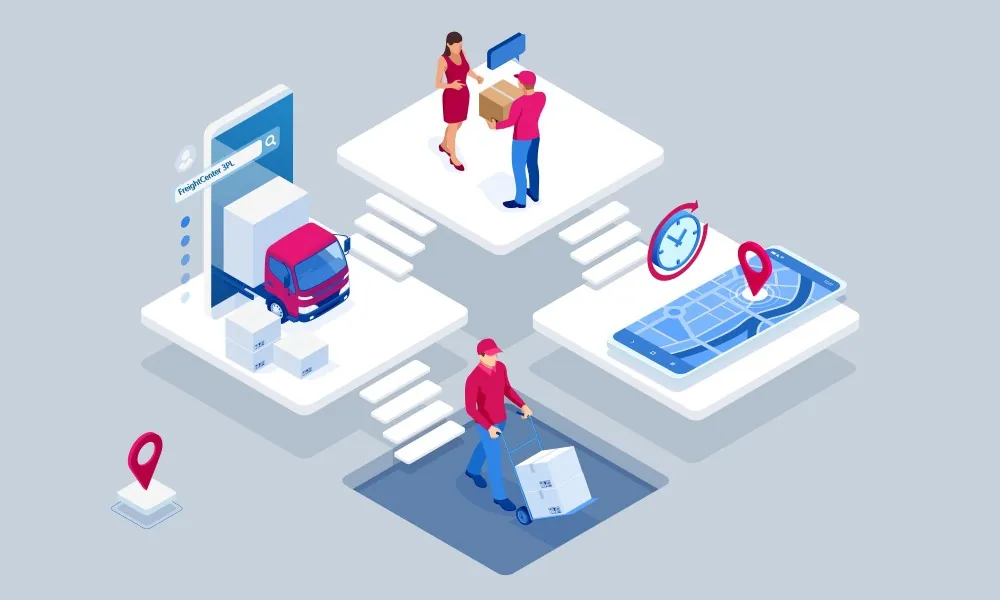
Suppose you’re experiencing difficulties with in-house fulfillment. In that case, it may be time to consider partnering with a third-party logistics provider (3PL). 3PLs have the infrastructure, regional warehouses, and experience to handle your fulfillment faster and more efficiently.
They’re beneficial if you’re growing fast or serving customers in multiple regions. And they can often negotiate better rates, which helps you offer faster delivery without incurring significant costs.
Measure, Improve, Repeat
Shipping isn’t a one-and-done process. You should constantly track your delivery speeds, customer feedback, and fulfillment costs.
Utilize customer surveys, shipping data, and support ticket analysis to identify areas for improvement. Are certain regions seeing longer delivery times? Are certain products more prone to delay?
With this data, you can change your approach. This may involve switching carriers, relocating inventory, or refining your packaging process.
Final Thoughts
Faster shipping isn’t just about logistics—it’s about delivering a promise. When you meet or beat expectations, customers notice. They trust you more. They buy more. And they stick around longer.
The good news? You don’t need to be a global giant to compete on shipping speed. With the right strategies, tools, and partners, you can establish a seamless fulfillment system that delights customers and drives growth.
FAQs
It depends on your audience, but generally, 2–3 day shipping is the sweet spot for most shoppers. Just as important is delivering when promised.
Offer fast shipping as an upgrade and keep your free shipping option. Many customers are willing to pay more for speed if they require it.
Positively! When orders arrive quickly and as expected, customers are more likely to leave positive feedback and shop again.
Yes. Small businesses can often match or beat their larger competitors regarding delivery times. They can achieve this by utilizing new technology, implementing distributed fulfillment, or collaborating with a third-party logistics (3PL) provider.
It often does. Customers prefer reliable, fast shipping stores and are more likely to choose you over slower competitors.


Permalink
Permalink