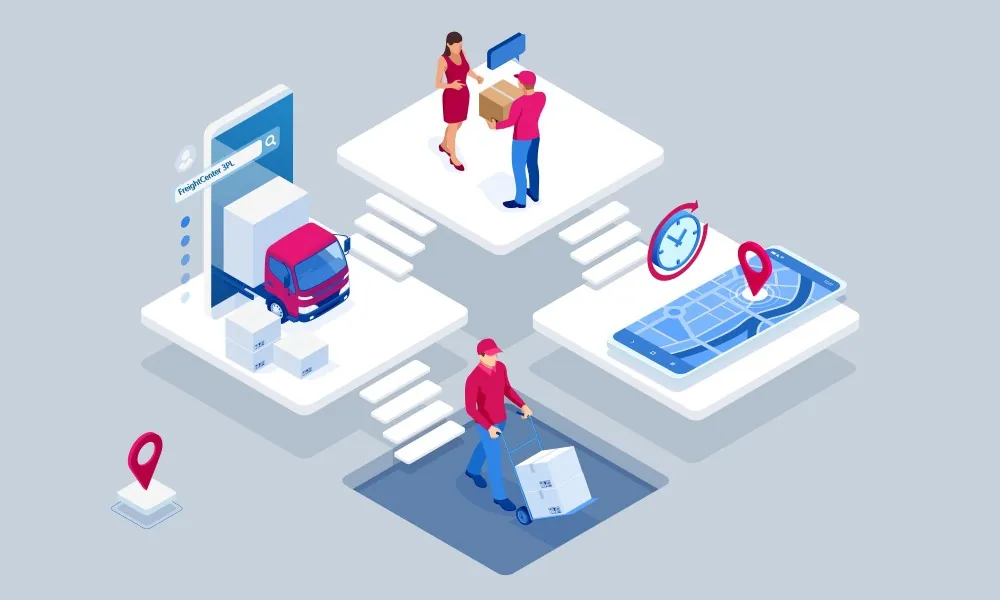

Selling on Amazon opens up a world of opportunities. The platform allows businesses to reach millions of potential customers. However, it also has a high demand for quick delivery and smooth service. If you’re not meeting those expectations, you risk losing customers to competitors.
The key to success on Amazon is not just listing great products. It is also about how well you fulfill those orders with best Amazon FBA groups in Facebook. Logistics plays a massive role in your success, especially when speed and reliability are non-negotiable. Whether you’re fulfilling orders yourself or using Amazon’s fulfillment services, optimizing your logistics can significantly impact your business growth.
In this guide, we will show you how to improve your Amazon seller logistics. This will help you speed up fulfillment, increase customer satisfaction, and enhance your overall performance.
Why Fast Fulfillment Matters on Amazon
Amazon’s marketplace thrives on speed. Customers expect their orders to arrive quickly — often within one or two days. The faster your fulfillment process, the better your chances of winning the Buy Box — that prime spot where most customers click “Add to Cart.”
But speed isn’t just about staying competitive. It’s also about building trust. When customers know they’ll get their orders on time, they’re more likely to leave positive reviews and become repeat buyers.
Understand Your Fulfillment Options
Before optimizing your logistics, knowing which fulfillment method works best for your business is essential.
Fulfillment by Amazon (FBA)
With FBA, Amazon stores your products in its warehouses, picks them up, packs them, and ships them directly to customers. It’s the most convenient option if you’re looking to offload logistics and offer Prime shipping.
Fulfillment by Merchant (FBM)
With FBM, you handle storage, packing, and shipping yourself. This gives you more control but requires a streamlined logistics process to meet Amazon’s delivery expectations.
Seller Fulfilled Prime (SFP)
SFP is a hybrid model. You ship orders yourself, but Prime delivery speeds are still offered. However, you must meet Amazon’s strict performance metrics.
Optimize Your Inventory Management
Fast fulfillment starts with having the right products in the right place at the right time.
If you’re using FBA, ensure your stock levels are constantly updated. Running out of inventory means missed sales, while overstocking can lead to unnecessary storage fees.
For FBM or SFP sellers, inventory management software is used to track stock levels in real time. The goal is to maintain a healthy stock without wasting capital.
Warehouse Location Matters
If you’re fulfilling orders yourself, where you store your products affects how fast you can ship them. The closer your inventory is to your customers, the quicker they’ll receive their orders.
Consider using multiple warehouse locations or third-party logistics (3PL) providers to store inventory in strategic regions. This approach speeds up delivery and reduces shipping costs.
Streamline Your Picking and Packing Process
Packing orders might seem straightforward, but small inefficiencies can cause significant delays.
Organize your warehouse so that popular products are easy to access. Use barcodes or digital inventory systems to speed up picking. When packing, have shipping supplies ready to go — boxes, tape, labels, and inserts.
The faster you process orders, the faster they get out the door.
Automate Wherever Possible
Automation is a game-changer for logistics. Investing in the right tools can help you process orders faster without sacrificing accuracy.
Order management systems automatically route orders to the correct warehouse or fulfillment center. Shipping software can generate labels and compare carrier rates, saving time and money.
Automation reduces human error and helps your logistics operation run like clockwork.
Choose the Right Shipping Partners
Your shipping provider plays a huge role in how quickly orders reach customers—partner with reliable carriers that offer competitive rates and fast delivery options.
Compare different providers and negotiate bulk shipping discounts. If you’re fulfilling orders internationally, look for carriers with global shipping networks.
Use Amazon’s Shipping Tools
Amazon provides several tools to help sellers optimize logistics:
- Amazon Buy Shipping Services: Purchase discounted shipping labels directly through Amazon.
- Inventory Performance Index (IPI): Monitor your stock levels and avoid FBA storage fees.
- Amazon Partnered Carrier Program: Save shipping costs using Amazon’s carrier network.
Leverage these tools to cut costs and improve your shipping times.
Maintain Transparency with Customers
Even the fastest logistics systems can experience hiccups. The key is to keep customers informed.
Provide accurate delivery estimates and share tracking information when an order ships. If there’s a delay, communicate proactively and offer solutions.
Transparency builds trust and shows customers you value their business.
Regularly Review Performance Metrics
Amazon tracks your logistics performance closely — and so should you.
Keep an eye on key metrics like:
- On-time delivery rate
- Order defect rate
- Cancellation rate
- Inventory performance score
Identify bottlenecks in your process and make adjustments where needed. Continuous improvement is the secret to long-term success.
When to Outsource Logistics to a 3PL Provider
Outsourcing might be the right move if managing logistics is slowing down your business growth. Third-party logistics providers can store your inventory, handle order fulfillment, and even offer Amazon Prime-level shipping speeds.
Look for a 3PL partner with experience working with Amazon sellers. They’ll know how to meet Amazon’s requirements and help you scale faster.
Final Thoughts
Improving your Amazon seller logistics is not just about faster shipping. It’s about making your operation smoother and more efficient to help you grow.
No matter if you use FBA, FBM, or both, small changes can help you fulfill orders faster. This can make customers happier and lead to better reviews. To streamline your process, focus on inventory management, automation, and strategic partnerships.
By outsourcing logistics, you’ll free up time to focus on what you do best: building your brand and growing your business.
FAQs
Use FBA or 3PL services, automate order processing, and store inventory close to customers.
It depends on your business size and goals. FBM offers more control, while FBA simplifies logistics and speeds up delivery.
The Buy Box is the top listing on a product page. Faster fulfillment speeds increase your chances of winning the Buy Box.
Yes, many sellers use both methods to optimize costs and fulfillment times.
Look for a 3PL with Amazon experience, multiple warehouse locations, and transparent pricing.