
Shipping costs can make or break a business. High shipping costs can reduce your profits, whether you run an e-commerce store or manage wholesale distribution. But what if there was a smarter way to cut down those costs without sacrificing delivery speed or service quality?
That’s where strategic warehousing solutions come into play. By changing how and where you keep your inventory, you can save money and time. This will reduce shipping distances and lower transportation costs.
It will also make your operations more efficient. It’s not just about storing products — it’s about creating a logistics network that works in your favor.
If you’re tired of rising shipping expenses, this guide will show you how strategic warehousing can help you save money and boost your bottom line.
ALSO :FEDEX.COM
What Is Strategic Warehousing?
Strategic warehousing isn’t just about finding a place to stash your products. It’s about choosing the right locations, optimizing inventory distribution, and aligning your storage network with your customer base.
Instead of relying on one central warehouse, businesses can spread inventory across multiple locations closer to customers. This way, products travel shorter distances, cutting both shipping costs and delivery times.
Why Shipping Costs Are So High
Shipping costs have skyrocketed in recent years — and they’re not showing any signs of slowing down. Fuel prices, labor shortages, and growing e-commerce demand all contribute to higher rates.
However, distance plays one of the biggest roles. The farther a package travels, the more expensive it gets. That’s why having your inventory stored closer to customers makes such a big difference.
How Strategic Warehousing Reduces Shipping Costs
1. Storing Inventory Closer to Customers
The closer your products are to your customers, the cheaper and faster deliveries become.
Let’s say you ship from one warehouse on the East Coast to customers all over the country. Every time you ship to the West Coast, you pay premium rates for long-distance shipping.
Now imagine having warehouses in both regions. You could fulfill orders from the closest warehouse, slashing both delivery time and shipping costs.
2. Optimizing Inventory Distribution
Not every product sells at the same rate in every location. Strategic warehousing lets you stock popular products in high-demand regions while storing slower-moving products. It reduces shipping distances and helps you avoid wasting space and money. You won’t store the wrong products in the wrong places.
3. Leveraging Third-Party Logistics (3PL) Partners
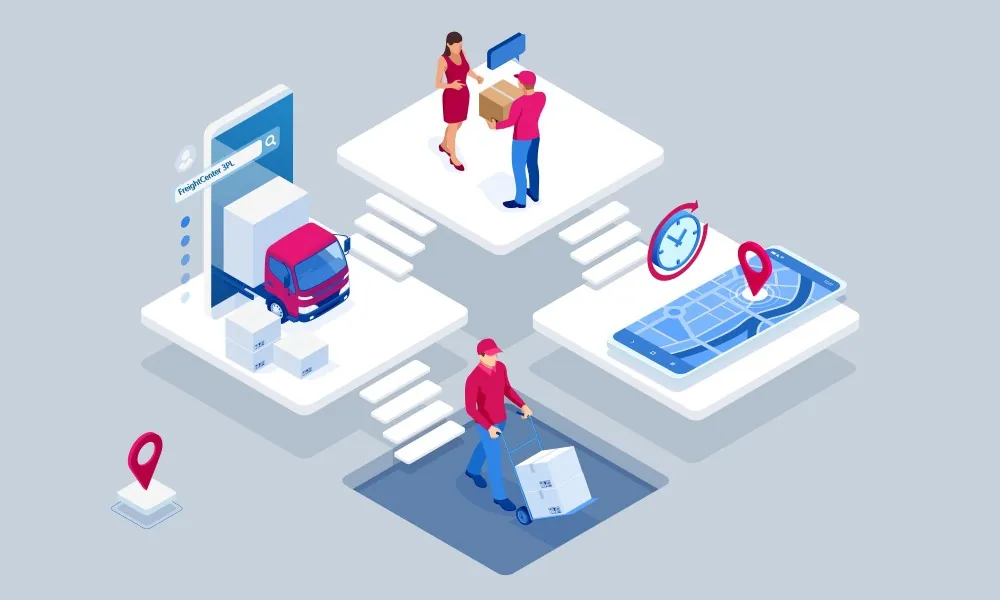
Working with third-party logistics providers (3PLs) can help businesses access a network of warehouses without heavy investment. 3PLs have fulfillment centers in many regions, allowing businesses to use their facilities without the high costs of opening their own warehouses.
They also negotiate better shipping rates with carriers, passing those savings on to their clients.
4. Streamlining Shipping Zones
Shipping carriers charge based on zones — the farther the package travels, the higher the zone, and the more expensive the shipment. By using multiple warehouses, businesses can reduce the number of zones a package crosses, lowering shipping fees.
A good warehouse network can keep shipments in cheaper areas more often, saving money on each order.
Choosing the Right Warehouse Locations
Location is everything when it comes to strategic warehousing. The goal is to find hubs close to your customer base while balancing costs and efficiency.
Look at where most of your customers are located. Are they concentrated in a few cities or spread across the country? Use sales data to map out the best regions for your warehouses.
Some key regions for U.S. fulfillment include:
- West Coast (California)
- Midwest (Chicago)
- East Coast (New Jersey or Pennsylvania)
- Southern Hubs (Texas or Florida)
Automation and Technology in Strategic Warehousing
Modern warehouses aren’t just storage spaces — they’re technology hubs. Investing in warehouse management systems (WMS) and automated picking solutions can speed up fulfillment while cutting labor costs.
With the right software, businesses can:
- Automatically route orders to the nearest warehouse
- Track inventory in real-time
- Optimize packing and shipping processes
Automation reduces errors and improves efficiency, making your warehouse network work even harder for your business.
Balancing Cost and Service Quality
While reducing shipping costs is the goal, you can’t afford to sacrifice customer satisfaction. Faster delivery and lower shipping rates only matter if the service remains reliable and consistent.
The best strategic warehousing solutions balance cost savings and service quality. That means choosing partners who offer:
- Reliable delivery times
- Inventory accuracy
- Strong customer service
Is Strategic Warehousing Right for Your Business?
Strategic warehousing works best for businesses with high shipping volumes or national customer bases. One warehouse might be enough if you’re a small business shipping locally. But if you’re shipping across multiple states or countries, spreading your inventory could save you thousands yearly.
How to Get Started with Strategic Warehousing
- Analyze Your Customer Base – Identify where your customers are located.
- Audit Your Shipping Costs – Look at where and why you’re spending the most on shipping.
- Explore 3PL Partnerships – Research logistics providers with warehouse networks in your key regions.
- Test Regional Fulfillment – Start with one additional warehouse and measure the impact on shipping speed and costs.
- Scale as Needed – Expand your warehouse network as your business grows.
Final Thoughts
Shipping costs are one of businesses’ biggest challenges—but they don’t have to be. With the right warehousing solutions, you can reduce shipping costs, speed up delivery times, and increase customer satisfaction.
Whether you work with a 3PL partner or set up your own warehouse, it is important to match your logistics with customer demand. The closer your products are to your customers, the less you’ll spend on shipping — and the happier your customers will be.
FAQs
It depends on your business size and shipping volumes, but many businesses see 10-30% savings by adding regional warehouses.
Absolutely! Small businesses can partner with 3PL providers to access multiple warehouses without heavy investment.
The biggest challenge is managing inventory across multiple locations without overstocking or understocking.
Use sales data and customer demographics to identify your highest-demand regions.
Yes, Amazon FBA is a form of strategic warehousing where Amazon stores your inventory across its fulfillment network.